Hair regrowth routine: how daily care can support growth
More products don’t necessarily mean more growth. A thoughtful hair regrowth routine combines gentle scalp and hair care, balanced nutrition, and treatments suited to the cause of shedding. Nutrient shortfalls, tight hairstyles, heat, and rough brushing can all affect hair, so daily habits matter, b…

More products don’t necessarily mean more growth. A thoughtful hair regrowth routine combines gentle scalp and hair care, balanced nutrition, and treatments suited to the cause of shedding. Nutrient shortfalls, tight hairstyles, heat, and rough brushing can all affect hair, so daily habits matter, but they’re only part of the picture.
It’s understandable to look for one simple step that will make a visible difference. A more useful approach is to protect fragile strands, care for your scalp consistently, and recognize when hair loss may need targeted attention. Scalp massage, suitable washing and conditioning, and carefully chosen treatments can each play a role.
Here, you’ll learn what can influence hair growth and how to build a practical routine around massage, washing, conditioning, and other options. You’ll also see why natural methods should complement, not replace, efforts to understand the cause of hair loss.
Key Takeaways
- Look beyond daily care to possible causes of shedding, including nutrition and styling habits, before choosing an approach.
- Use gentle scalp massage as a consistent care step, not a substitute for addressing the cause of hair loss.
- Adjust washing to your hair and scalp, and condition after shampooing to help reduce breakage.
- Natural methods can complement targeted treatments; choose an approach that fits the type and cause of hair loss.
Table of Contents
1. What affects hair growth?
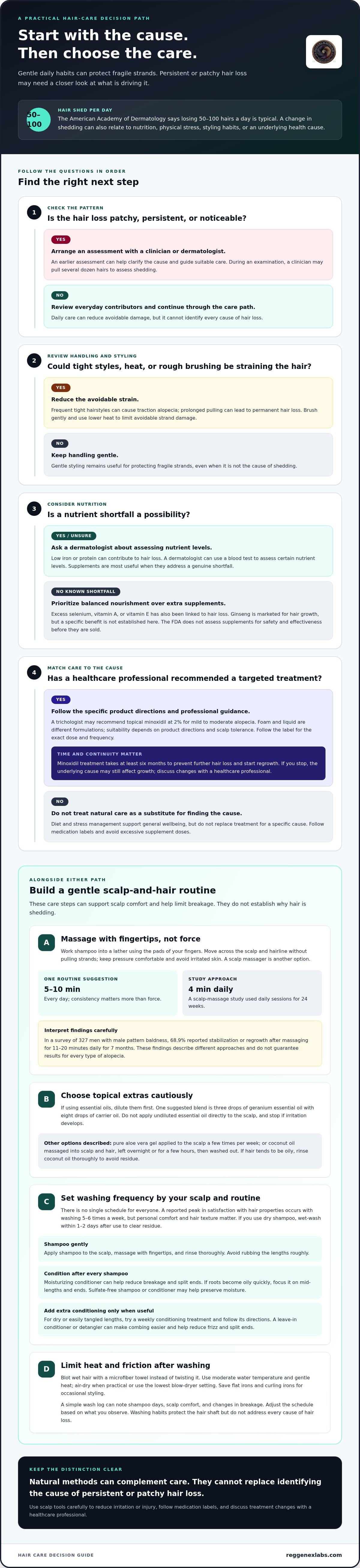
Hair growth can change with nutrition, physical stress, styling habits, and underlying health causes. According to the American Academy of Dermatology, losing 50–100 hairs per day is typical. Frequent tight hairstyles can cause traction alopecia, and prolonged pulling can lead to permanent hair loss. Gentle brushing and lower heat help limit avoidable strand damage.
For men and women, an evidence-based hair regrowth routine starts by identifying the likely cause, then matching care to it. Topical minoxidil at 2% is one medication a trichologist may recommend for mild to moderate alopecia. Foam and liquid are different formulations; suitability depends on the product directions and scalp tolerance, while cost varies by formulation and market. Follow the label for the exact dose and frequency, since instructions can differ by product. Minoxidil treatment takes at least six months to prevent further hair loss and start regrowth. If you stop, the underlying cause may still affect growth, so discuss changes with a healthcare professional.
Hair supplements are most useful when they address a genuine nutritional shortfall, not as a substitute for a balanced diet. Low iron or protein can contribute to hair loss, while excess selenium, vitamin A, or vitamin E has also been linked to it. A dermatologist can use a blood test to assess certain nutrient levels. Ginseng supplements are marketed for hair growth, but evidence of a specific benefit isn’t established here. The U.S. Food and Drug Administration doesn’t assess supplements for safety and effectiveness before they’re sold.
Build daily habits around adequate nourishment, gentle handling, and the cause of shedding. A scalp massage can be part of care, and studies report increased hair density with consistent derma-roller use in 3–6 months; the suggested frequency is once or twice a week. Diet and stress management support general wellbeing, but they don’t replace treatment for a specific cause. Common treatment safety depends on the method: follow medication labels, avoid excessive supplement doses, and use scalp tools carefully to reduce irritation or injury.
2. Scalp massage
Massage your scalp with your fingertips as you work shampoo into a lather. This gentle movement is intended to increase blood flow and stimulate hair follicles. Use the pads of your fingers, not your nails, and move across the scalp and hairline without pulling strands. A scalp massager is another option; keep the pressure comfortable and avoid irritated skin.
Consistency matters more than force. One routine suggestion is a 5–10 minute massage every day. A scalp-massage study used daily four-minute sessions for 24 weeks. Separately, a survey of 327 men with male pattern baldness found that 68.9% reported stabilization or regrowth after massaging for 11–20 minutes daily for 7 months. These findings describe different approaches, not a guaranteed result for every type of alopecia.
Dilute essential oils before applying them. One suggested blend combines three drops of geranium essential oil with eight drops of carrier oil. Don’t apply undiluted essential oil directly to your scalp, and stop if irritation develops. Aloe vera gel is another option: the suggested approach is to apply pure gel to the scalp a few times per week. These topical methods don’t replace identifying the causes of hair loss.
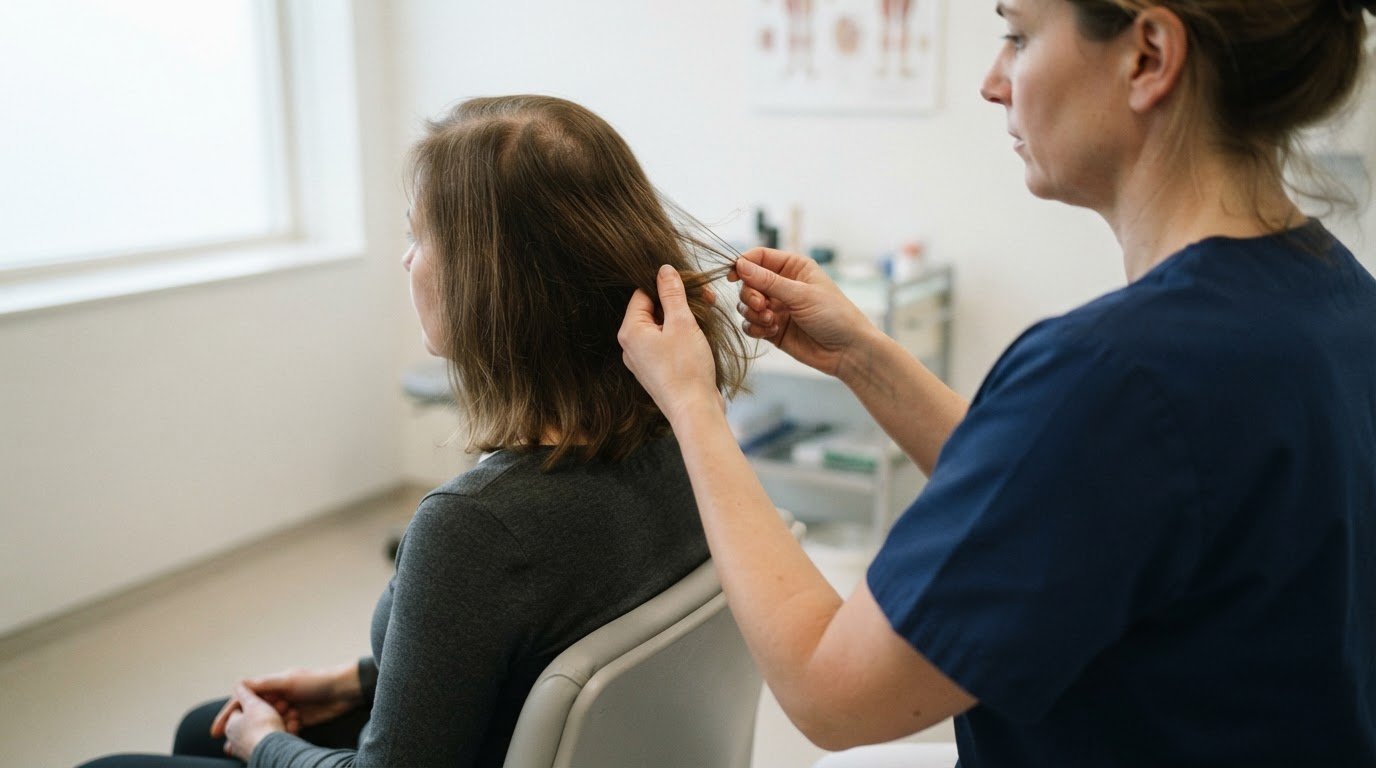
Coconut oil can be massaged into the scalp and hair, then left overnight or for a few hours before washing. If your hair tends to be oily, wash it out thoroughly to avoid residue. Oils and massage can support scalp care, but they can’t establish whether shedding signals inflammation, nutritional concerns, or another condition. During an examination, a clinician may pull several dozen hairs to assess shedding. An earlier assessment can help clarify the cause and guide suitable care, especially if hair loss is patchy or persistent.
To make massage part of a considered care plan, explore a hair and scalp consultation.
3. Washing and conditioning frequency
Choose a washing schedule around scalp oil, activity, and styling products, rather than treating one frequency as universal. A reported peak in satisfaction with hair properties occurs with washing 5–6 times a week, but personal comfort and hair texture still matter. If dry shampoo is part of your routine, wet-wash within 1–2 days after use. This helps clear product residue from the scalp.
Use shampoo gently: apply it to your scalp, massage with your fingertips, and rinse thoroughly. Avoid rubbing the lengths roughly, which can increase breakage in fragile, thinning hair. After every shampoo, apply moisturizing conditioner to help reduce breakage and split ends. If your roots become oily quickly, focus conditioner on the mid-lengths and ends. A sulfate-free shampoo or conditioner may help preserve moisture.
Add a weekly conditioning treatment if your lengths feel dry or tangle easily. Leave it on according to its directions, then rinse fully. A leave-in conditioner or detangler after washing can make combing easier and help reduce frizz and split ends. Blot wet hair with a microfiber towel instead of twisting it; spending less time blow-drying also reduces heat exposure during styling.
Use moderate water temperature and gentle heat. Air-dry when practical, or use the lowest blow-dryer setting; save flat irons and curling irons for occasional styling. These steps protect the hair shaft, but don’t address every cause of hair loss. Shampoo frequency also doesn’t replace prescribed treatment: if you use minoxidil, follow its product directions. A dermatologist or doctor can assess persistent or noticeable shedding and consider its cause. A simple wash log can help: note shampoo days, scalp comfort, and changes in breakage, then adjust your schedule based on what you observe.
4. Combining natural methods with other treatments
Natural care works best as support for a defined cause, not a universal substitute. A trichologist may recommend topical minoxidil at 2% for mild to moderate alopecia. Pairing treatment with gentle styling can reduce avoidable strain while medication addresses hair loss. Keep each step distinct: treatment targets a cause, while daily habits protect the scalp and strands.
Finasteride, spironolactone, and oral minoxidil may help with selected patterns when prescribed for an appropriate diagnosis. Risks vary by medication, so a prescriber weighs your health history, other medicines, and possible adverse effects before making a recommendation.
Combine methods deliberately. Record when shedding began, where thinning appears, and any recent changes in diet, stress, or hairstyle. This timeline can help distinguish gradual pattern loss from shedding after a physical stressor. A dermatologist can assess these details and consider whether nutrient testing or treatment fits the pattern. Avoid starting several supplements and topical products at once; changing one step at a time makes it easier to identify reactions.
Keep natural measures supportive and specific. A balanced diet supplies nutrients, while avoiding tight hairstyles reduces repeated pulling on fragile hair. Scalp massage may fit naturally into washing, but shouldn’t replace treatment for a diagnosed cause. Microneedling and topical products also require care: irritated or damaged skin can complicate scalp treatment. Follow product instructions and avoid applying products to inflamed areas.
Track your plan in a simple diary: note treatment use, scalp symptoms, and changes in shedding. Hair changes may not appear immediately, so consistent records can show whether the pattern is improving or continuing. Don’t treat increased shedding alone as proof that a treatment is working. Discuss persistent or worsening loss with a dermatologist, especially if new patches appear. The clearest strategy combines care focused on the cause, gentle habits, and a measured review of progress.
A trichologist may recommend 2% topical minoxidil for mild to moderate alopecia. Follow the product instructions for how often to apply it.
ReggeneX Labs: ReggeneX Vitalixir Hair Regrowth Serum
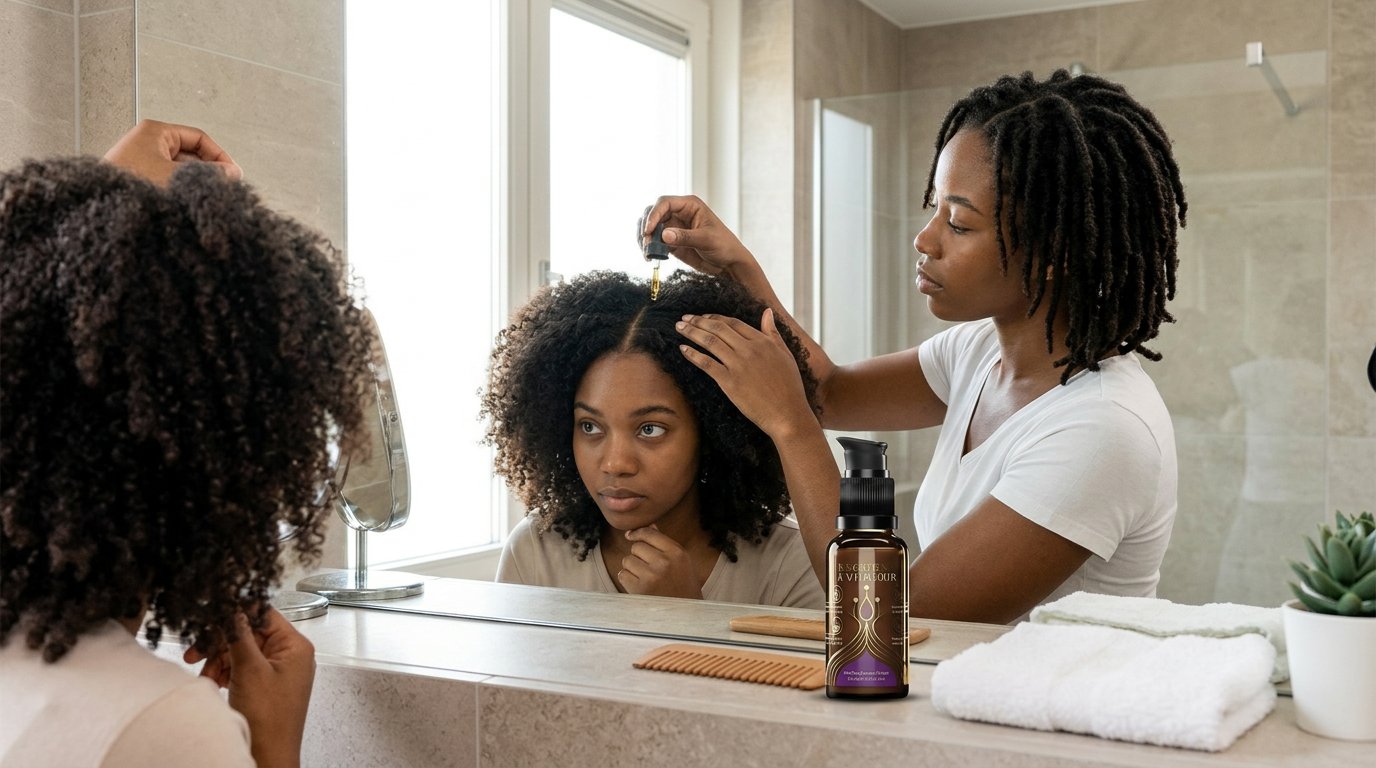
ReggeneX Vitalixir Hair Regrowth Serum can be a topical step alongside consistent scalp and hair care. Use it as part of a thoughtful routine, not as a substitute for identifying why thinning or shedding began. If you’re unsure which products suit your scalp, the ReggeneX Vitalixir Hair & Scalp Consultation can help you consider your care needs. ReggeneX Vitalixir Shampoo and Reggene X Vitalixir Conditioner can complement regular washing and conditioning. Keep your approach simple: follow product directions, handle your hair gently, and track changes in scalp comfort and shedding over time. A focused routine is easier to follow and assess than several new methods introduced together. Contact ReggeneX Labs for personalized guidance on these hair-care options.
Make your next step intentional
Progress starts with a plan you can follow and evaluate, not a collection of remedies added all at once. Shape your hair regrowth routine around your priorities: consistent care, a clear understanding of changes, and informed choices about additional support. If you’re considering a topical product or want to refine your scalp-care approach, ReggeneX Labs offers ReggeneX Vitalixir Hair Regrowth Serum, ReggeneX Vitalixir Hair & Scalp Consultation, and ReggeneX Vitalixir Shampoo. These options can help you build a care plan around your needs while keeping the cause of thinning in view.
Choose one practical next step, then give yourself space to follow it consistently. For product and consultation details, contact ReggeneX Labs. Thoughtful, steady care can help you move forward with greater clarity and confidence.
Frequently Asked Questions
What affects hair growth?
Hair growth reflects both follicle health and the conditions surrounding it. Nutrient shortfalls, eating too few calories, smoking, and repeated tension from hairstyles can all contribute to hair loss. Think about recent changes: a restrictive diet, a new medication, or a tight hairstyle may provide useful context. Identifying the pattern and possible trigger helps guide the next step.
When should you see a specialist about your hair loss?
Seek an assessment if hair loss is sudden, patchy, persistent, or accompanied by scalp discomfort. A dermatologist can examine your scalp, assess shedding, and use blood tests to evaluate certain nutrient levels. Bring notes on when thinning began, where it appears, and any changes in your health or hair care. Identifying a possible cause sooner can help guide appropriate care.
Can I use natural hair regrowth methods with other treatments?
Natural care can complement a treatment plan when the steps are compatible and used as directed. For example, gentle cleansing and avoiding tight styling can support scalp and strand care alongside a prescribed topical treatment. Keep track of each product and any scalp reaction. Don’t replace prescribed treatment with oils, massage, or supplements without discussing the change with the prescribing professional.
How long does it take for your hair to grow?
Visible change depends on the cause of shedding and the treatment used. Telogen effluvium normally resolves in 3–6 months, while patchy hair loss such as alopecia areata may regrow without treatment within a year. Minoxidil treatment takes at least six months to prevent further loss and start regrowth. These timelines describe different situations, so first identify which pattern applies.
Why is my hair thinning?
Hair may thin because of nutritional gaps, repeated pulling, or another underlying cause. Look for clues such as frequently wearing a tight hairstyle, a change in eating habits, or thinning concentrated in one area. These observations can’t establish a diagnosis, but they can help a specialist assess the pattern. Avoid starting several supplements at once, since excess selenium, vitamin A, or vitamin E has been linked to hair loss.
What causes hair loss and which types may respond to regrowth treatment?
Hair loss has multiple possible causes, including prolonged tension that can lead to traction alopecia. Treatment depends on the type and cause: a trichologist may recommend topical minoxidil at 2% for mild to moderate alopecia. Patchy hair loss such as alopecia areata may regrow without treatment within a year. An assessment helps distinguish these patterns before selecting a treatment approach.